Valentine's Day in Sweden – history, tradition, and why a trip is the best surprise
Valentine's Day is now an integral part of February for many people. At the same time, it is a holiday that raises questions: Where does it come from? What are we actually celebrating? And why has this particular day become so strongly associated with romance, flowers, and surprises?
In Sweden, Valentine's Day is a relatively new tradition, despite its medieval roots. It has grown slowly, often questioned, sometimes embraced – but always changing. Perhaps that is why today is so well suited to a more personal and thoughtful celebration. For many, it has become an opportunity to do something unexpected. Something that breaks the routine. Like surprising someone with a trip.
In Småland, where peace and quiet still reign supreme, the conditions are right for a celebration that combines the historical idea of love with today's longing for time together.
Valentine's Day – a young tradition in Sweden
Despite its name and historical connections, Valentine's Day in Sweden is far from being an old tradition. It first began to gain attention in the mid-20th century, mainly through commerce. The first known display in Swedish stores dates back to 1956.
Unlike many other holidays, it was not popular customs that led to its spread, but rather marketing opportunities. The inspiration came from the US and other Anglo-Saxon countries, where Valentine's Day was already well established. Over time, sales of candy, flowers, and gifts—especially roses—increased.
It was not until the 1990s that the celebration really took off in Sweden. Valentine's Day was added to the calendar, schools began to mark the day, and it became part of the wider culture. Nevertheless, it has always had a dual role here: both loved and questioned.
Medieval roots and the arrival of spring
The origins of Valentine's Day go back much further than the Swedish tradition. As early as the Middle Ages, the day was celebrated in parts of England and France as a symbolic spring festival. It was believed that mid-February was the time when birds began to pair up – a sign that winter would soon let go of its grip.
Based on this idea, customs arose in which young boys and girls were paired up, often by drawing lots. These pairs called each other Valentine and were expected to court each other in the run-up to the spring and summer festivities.
So it wasn't consumption or gifts that took center stage, but relationships, closeness, and optimism about the future. Already here, there is a clear parallel to why a trip—breaking away, changing surroundings, and encountering something new together—fits so well with the idea of Valentine's Day.
Saint Valentine and stories of love
The day is named after Saint Valentine, or Valentinus, a Roman saint from the 3rd century. Who he actually was is unclear, as several martyrs bore the same name. What has survived are the stories – rather than the historical facts.
One of the most famous legends tells of a Christian priest who defied Emperor Claudius II's ban on young men marrying. Valentine continued to marry couples in secret, as he believed that love was above the law. He was imprisoned and sentenced to death, and before his execution on February 14, he is said to have sent a farewell letter to the jailer's daughter, signed with the words "Your Valentine."
Whether the story is true or not, it has had a huge impact on how Valentine's Day is perceived—as a day for courage, love, and action. Not just words.
Love greetings, cards, and symbolism
There is evidence that people wrote love letters on Valentine's Day as early as the 1400s. Over time, these personal greetings developed into printed Valentine's cards, often richly decorated. During the 1700s and 1800s, the tradition spread rapidly in England and later in the United States.
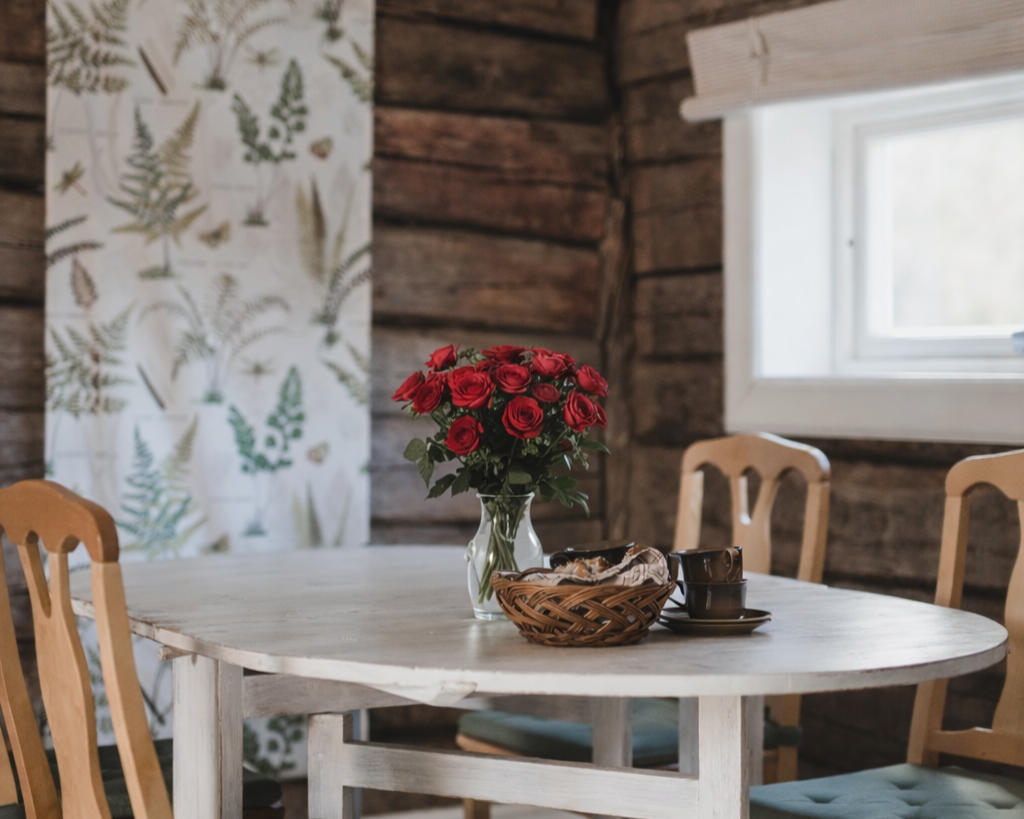
Flowers also took on a symbolic role early on. The colors had meaning: red for love, white for friendship, yellow or pink for cautious courtship. Even today, millions of roses are sold in Sweden on Valentine's Day—despite the fact that many people are actually looking for something more personal than yet another bouquet.
Valentine's Day – loved, questioned, and reshaped
Surveys show that about half of Swedes celebrate Valentine's Day, while many see it as a commercial gimmick. This ambivalence has led to gradual changes in how the holiday is celebrated.
More and more people are choosing experiences over gifts. Something that lasts. Something that creates memories. Travel—especially short, romantic trips—has taken on an increasingly important role in this regard.
Surprising someone with a trip on Valentine's Day ties in with the holiday's older meaning: showing consideration through actions, not things.
Why a trip is the most romantic Valentine's Day gift
Instead of roses that wilt or chocolate that runs out, many people today choose to give the gift of time. Time together, without the demands of everyday life. A romantic trip on Valentine's Day becomes a way of saying:I want to be with you, here and now.
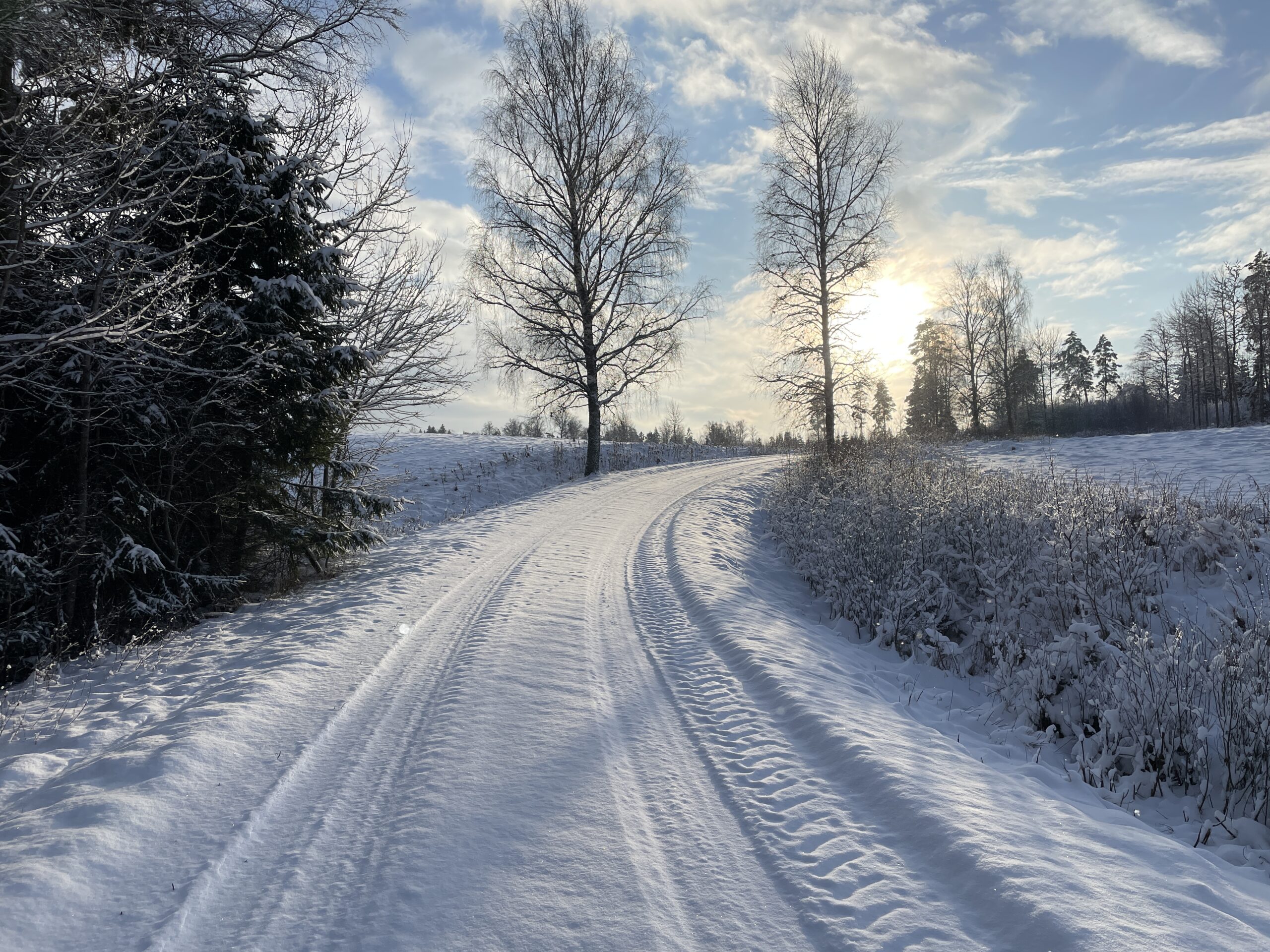
Especially in February, when winter still has a firm grip, a trip can feel particularly meaningful. Getting away, changing your surroundings, and sharing the tranquility creates space for conversation, closeness, and rest.
Valentine's Day in Småland – tranquility, nature, and presence
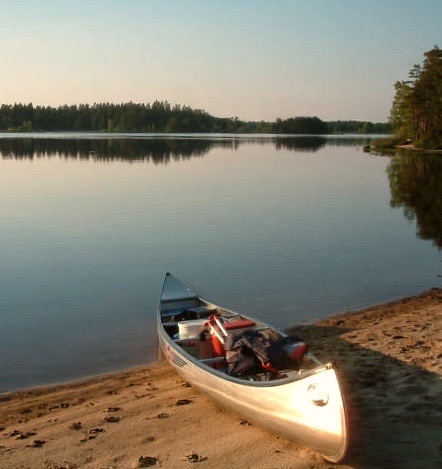
Småland is a region that is particularly well suited to low-key celebrations. Here you will find forests, silence, and a pace of life that contrasts with the hustle and bustle of everyday life. Booking a romantic weekend in Småland on Valentine's Day is therefore not a grand spectacle—but a gentle surprise.
At Smålandstorpet, you can celebrate the day in a way that is close to both history and the present:
- Private and personal
- Without crowds or obligations
- With nature as your closest neighbor
It's a place for couples who would rather share a walk than a shopping mall, rather cook together than book a table at the last minute.
A modern interpretation of an ancient holiday
Valentine's Day has always been changing. From spring festivals and matchmaking games to saint legends and mass-produced cards. Today, we are once again facing a reinterpretation – where experiences, tranquility, and time together are becoming more important than symbols.
Surprising your partner with a trip to Smålandstorpet on Valentine's Day is a way to bring the holiday back to its roots: focusing on the relationship, not the gifts.
Welcome to experience Valentine's Day at Smålandstorpet
Valentine's Day in Småland doesn't have to be loud or spectacular. It can be quiet, warm, and personal. A trip that surprises, not because of its size, but because of its thoughtfulness.
Read more about Smålandstorpet and discover how a romantic Valentine's Day trip can become something to remember long after February has passed.